
Can't win em all
The importance of having a plan and sticking to it


Managing the disappointment of not being in contention for a race you felt capable of winning versus focusing on a bigger goal in mind can be tough. But that’s what last week felt like at the Matterhorn Ultraks, taking on a double race weekend where I placed 4th and 2nd in the vertical race and classic 20km trail race respectively. Had I been peaking and tapered for the race I would like to have thought I would’ve had a decent shot at the win, particularly in the classic style race where I just couldn’t quite break away from the lead runner.
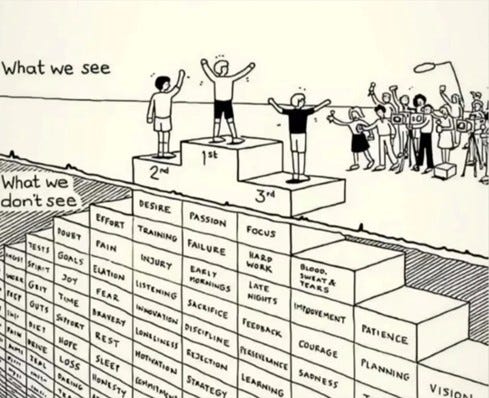
What’s in A Plan
You just go out there and run don’t you? 30 or 40 minutes a day and the rest takes care of itself, right? At least that’s the perception I get from people sometimes when they think about running especially trail running, but the reality couldn’t be further from the truth. At least personally coming into any season I have a clearly thought-out plan, with clearly planned events and milestones along the way, with some wiggle room for new ideas, new events and a little innovation along the way. My training plan clearly maps out my long aerobic sessions and Intensive sessions and particularly how much distance and vertical elevation I want to gain. Even then sometimes it’s hard to stick to the plan though not to get sucked in by the cool mountains and beautiful European trails and not overdo it. Other times deliberate changes to the plan are necessary, this year I’ve had to make the decision heading into the World Champs to focus on the Classic up & down, given I’ve been running well on the steady up, flat and descents this year. I’m improving in the steep uphill and held on to second in the vertical race at the Matterhorn until the second to last km at 27% gradient, but I’m still not keeping pace against highly experienced European and Kenyan athletes.
The all-important Taper
Tapering is a challenging balancing act between trying not to freshen yourself up too much before a race and feeling like you’re struggling to keep up, or doing too much and feeling flat, tired and with aching muscles. In a taper week I might do a sharpening session on Tuesday for a Saturday race, while for the rest of the week leading up to the race I’ll try not to run too much more than an hour on any given run.
When do you taper?
When you deploy the taper obviously depends significantly on how important the race is to you and the distance you run, an 800m runner might taper longer than say a 5,000m run than say a 100 mile runner, although vice versa the 100 mile runner might run closer to the event but as a portion of their usual volume cut down much more significantly. My general rule for a major race is about 10 days out, but it all depends on the race, a shorter or less important race maybe its 2 or 3 days or even shorter still a day. Again, having different experiences of different taper periods may also help guide this decision for you personally as well, as what works for someone else is not always going to be the best prescription for you.
Peaking
There is a real expectation that elite runners will show up and blow everyone else away every race, but if you’re not peaking this is simply not always the case, also throw in a bunch of unknown variables like illness or travel disruption and things can vary drastically from form. Despite what many people might think, the number of times you can peak in a season is very limited, my coach John and I frequently talk about the fact that in a year you might only be able to peak 3 or 4 times and if it’s a longer race this might even be less than that for you.
Not sweating the small stuff
Performing below your own expectations is always hard, but it feels easier when you’re working towards a broader plan and not one or two isolated results. Being clear about why I am running a race and how it fits into my training block allows me to focus clearly on what I want to achieve. While really important not to get hung up on these things and move on as when you’re running daily, it’s a grind at the best of times without worrying to much about past performances.
Great read Michael. Very timely that you mention sticking to the plan and not overdoing it. I'm normally quite good at that but at the weekend adapted a workout and definitely overcooked it which bled into today's long run which may impact this weeks training too. What you are saying resonates with me and it's something I'm telling my friends who have taken up running recently.